Does Home Insurance Cover Natural Disasters? A Comprehensive Guide for US Homeowners
For many Americans, a home is the most significant investment they will ever make. Protecting that investment against the unpredictable forces of nature is a top priority. However, there is often a dangerous gap between what homeowners assume is covered and what their policy actually protects. When a catastrophic event strikes, the last thing you want to discover is that your «all-perils» policy has specific exclusions for the exact disaster you are facing.
In this guide, we will break down the complexities of home insurance coverage regarding natural disasters, identifying what is standard, what requires an endorsement, and what necessitates a completely separate policy.
Understanding the Standard Homeowners Policy (HO-3)
The most common type of home insurance in the United States is the HO-3 policy. Generally, this policy covers your home’s structure against all perils except those specifically excluded. While this sounds broad, the exclusions are significant. Typically, standard policies provide coverage for «sudden and accidental» damage caused by specific events.
Natural Disasters Usually Covered
Most standard insurance policies across the US will provide financial protection for the following events:
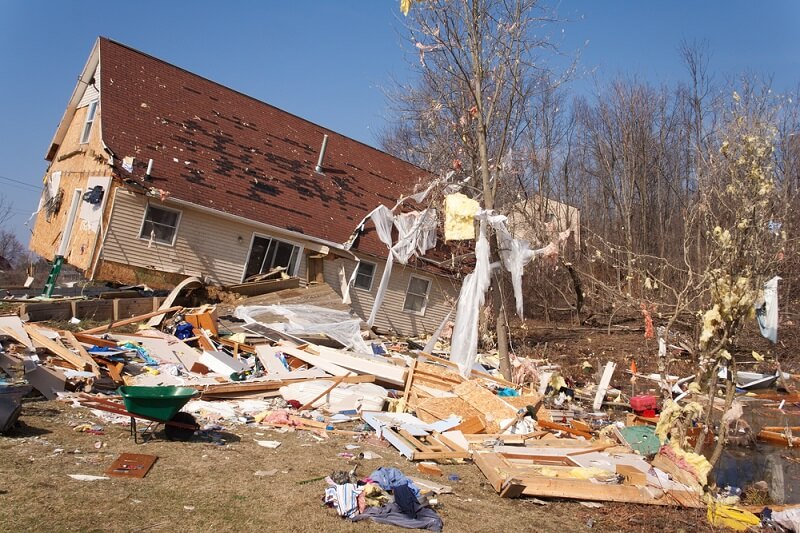
- Windstorms and Hail: Damage from tornadoes or severe thunderstorms is generally covered. This includes damage to the roof, siding, and windows.
- Lightning Strikes: If lightning causes a fire or power surge that damages your electronics and appliances, you are typically protected.
- Fire and Smoke: Whether caused by an internal accident or an external wildfire (in many regions), fire damage is a core component of home insurance.
- Weight of Ice and Snow: For those in northern climates, coverage usually extends to roof collapses caused by heavy winter accumulation.
The Major Exclusions: What Is NOT Covered?
Despite the broad nature of an HO-3 policy, two of the most destructive natural disasters in the US are almost never covered under a standard agreement: Floods and Earthquakes. If you live in a high-risk area, relying solely on basic insurance can lead to financial ruin.
1. Flood Damage
Standard home insurance does not cover damage caused by rising water. This includes storm surges from hurricanes, overflowing rivers, or heavy rainfall that pools into your basement. To protect your home from these events, you must purchase a separate Flood Insurance policy, typically through the National Flood Insurance Program (NFIP) or a private insurer. It is important to note that flood policies often have a 30-day waiting period before they become effective.
2. Earthquakes and Earth Movement
Whether it is a massive quake in California or a tremor in the Midwest, standard policies exclude «earth movement.» This exclusion also applies to landslides, mudslides, and sinkholes. Homeowners in seismic zones should look into an Earthquake Endorsement or a standalone policy. In states like Florida, «Catastrophic Ground Cover Collapse» is often included, but general sinkhole coverage usually requires an additional premium.
Regional Risks: Hurricanes and Wildfires
Depending on where you live in the United States, your insurance company may apply specific rules or separate deductibles for certain natural disasters.
Hurricane Deductibles
In coastal states from Texas to Maine, insurers often implement a Hurricane Deductible. Unlike a standard flat-rate deductible (e.g., $1,000), a hurricane deductible is usually a percentage of the home’s insured value, often ranging from 2% to 5%. If your home is insured for $300,000, a 5% deductible means you must pay $15,000 out of pocket before the insurance company covers the rest.
Wildfire Protection
While fire is a covered peril, homeowners in high-risk areas like California or Colorado may find it increasingly difficult to secure traditional coverage. Some insurers may exclude wildfire damage in specific zip codes, forcing residents to turn to state-mandated programs like the FAIR Plan (Fair Access to Insurance Requirements), which provides basic coverage when private companies refuse to do so.
How to Ensure You Are Fully Protected
Checking your policy today is far better than waiting for a disaster to strike. Here are three essential steps every homeowner should take to audit their coverage:
1. Review Your «Loss of Use» Coverage
If a natural disaster makes your home uninhabitable, Additional Living Expenses (ALE) or «Loss of Use» coverage pays for hotel stays, restaurant meals, and other costs while your home is being repaired. Ensure your limits are high enough to cover at least 12 to 24 months of displacement.
2. Consider Replacement Cost vs. Actual Cash Value
Ensure your policy is set to Replacement Cost Value (RCV) rather than Actual Cash Value (ACV). ACV factors in depreciation, meaning the insurance company will pay you significantly less for an old roof than it would cost to build a new one today. RCV ensures you can actually rebuild at current market prices.
3. Document Your Assets
Maintain a digital home inventory. In the event of a total loss from a tornado or fire, having photos and receipts of your belongings stored in the cloud will significantly speed up the claims process and ensure you receive the maximum payout for your personal property.
Conclusion: Don’t Leave It to Chance
The bottom line is that home insurance does NOT cover every natural disaster. While you are likely protected against wind and fire, the massive gaps left by flood and earthquake exclusions can be devastating. Reading the «Exclusions» section of your policy is the most important thing you can do this year. If you live in a floodplain or near a fault line, call your agent immediately to discuss supplemental coverage.
Being proactive today is the only way to ensure that your «home sweet home» remains a safe haven, no matter what the weather brings.