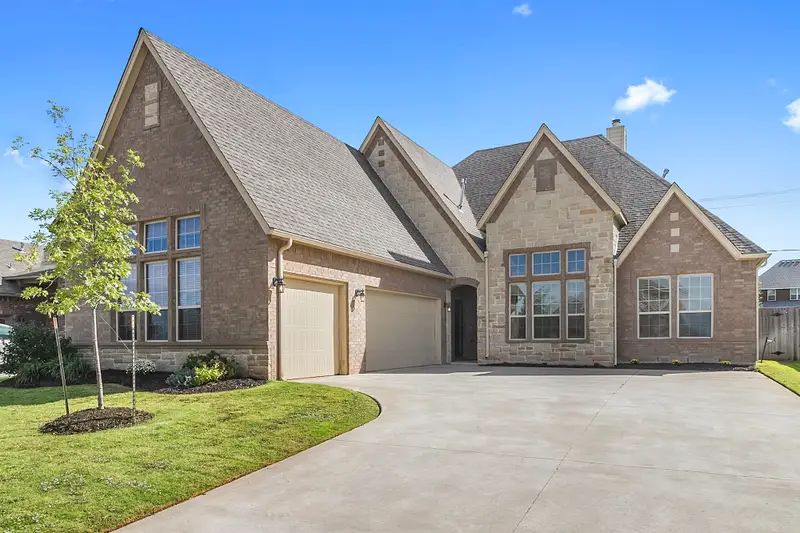
Homeowners Insurance Explained: Protecting Your Most Valuable Asset
For the vast majority of Americans, a home is the most significant financial investment they will ever make. Beyond its monetary value, a home provides security, stability, and a place for families to grow. However, life is unpredictable. From natural disasters to accidental injuries on your property, various risks can threaten your financial well-being. This is where homeowners insurance becomes essential.
In this guide, we will break down the complexities of homeowners insurance, explaining what it covers, what it doesn’t, and how you can choose the right policy to ensure your financial protection.
What is Homeowners Insurance?
Homeowners insurance is a form of property insurance that covers losses and damages to an individual’s residence, along with furnishings and other assets in the home. It also provides liability coverage against accidents in the home or on the property. While not required by law in the United States, mortgage lenders almost always require borrowers to have insurance coverage for the full or fair value of a property to protect the lender’s investment.
The Five Core Components of a Standard Policy
A standard homeowners insurance policy (often referred to as an HO-3) typically includes several types of coverage bundled together. Understanding these «parts» is crucial for determining if you have enough coverage limits.
1. Dwelling Coverage
Dwelling coverage is the foundation of your policy. It helps pay for the repair or rebuilding of the physical structure of your home if it is damaged by a «covered peril» such as fire, windstorms, hail, or lightning. When calculating how much dwelling coverage you need, you should focus on the replacement cost of the home—what it would cost to rebuild from scratch today—rather than the current market value or the price you paid for it.
2. Other Structures Coverage
This part of the policy covers structures on your property that are not attached to your house. This includes detached garages, sheds, fences, and even guest houses. Usually, the limit for other structures is set at 10% of your dwelling coverage limit, though this can be increased if you have significant outbuildings.
3. Personal Property Coverage
Your belongings—furniture, electronics, clothing, and appliances—are covered under personal property insurance. This protection applies even if your items are damaged or stolen while you are away from home, such as in a hotel room or your car. It is highly recommended to create a home inventory to document your possessions. Be aware that expensive items like jewelry, fine art, or collectibles may require a special «rider» or «floater» because standard policies have sub-limits on high-value items.
4. Liability Protection
Liability coverage protects you against lawsuits for bodily injury or property damage that you or your family members cause to other people. It also covers damage caused by your pets. If a guest slips and falls on your icy walkway, your liability coverage can pay for their medical bills and your legal defense costs if you are sued. Most experts recommend carrying at least $300,000 to $500,000 in liability protection.
5. Additional Living Expenses (ALE)
If a fire or other covered disaster makes your home uninhabitable, Additional Living Expenses (ALE) coverage pays the costs of living away from home. This includes hotel bills, restaurant meals, and other costs incurred while your home is being repaired. It is designed to help you maintain your standard of living during a displacement.
Understanding «Perils»: What is Covered?
Insurance policies are generally written on an «open perils» or «named perils» basis. An HO-3 policy, the most common in the US, typically covers the dwelling on an open-peril basis (covering everything except what is specifically excluded) and personal property on a named-peril basis.
Commonly covered perils include:
- Fire and Lightning
- Windstorm and Hail
- Explosions
- Theft and Vandalism
- Falling Objects
- Weight of Ice, Snow, or Sleet
Common Exclusions: What is NOT Covered?
It is a common misconception that homeowners insurance covers every type of damage. Standard policies specifically exclude several major risks. To protect against these, you may need separate insurance policies or endorsements.
Flood Damage: Damage caused by rising water (flooding) is never covered by standard homeowners insurance. You must purchase a separate flood insurance policy, typically through the National Flood Insurance Program (NFIP) or a private insurer.
Earthquakes: Most policies exclude damage caused by earth movement. If you live in a high-risk area like California or the Pacific Northwest, you should consider adding an earthquake endorsement.
Maintenance Issues: Insurance is for «sudden and accidental» damage. It does not cover wear and tear, termite infestations, or mold resulting from a lack of maintenance. As a homeowner, you are responsible for the upkeep of the property.
Factors That Affect Your Insurance Premiums
Insurance companies use complex algorithms to determine your insurance premium. Several factors influence how much you pay:
- Location: Homes in areas prone to hurricanes, wildfires, or high crime rates will have higher premiums.
- Age and Condition: Older homes with outdated electrical or plumbing systems are riskier and more expensive to insure.
- Deductible: Your deductible is the amount you pay out of pocket before insurance kicks in. Choosing a higher deductible will lower your monthly premium.
- Credit Score: In most US states, insurers use your credit-based insurance score to help predict the likelihood of you filing a claim.
- Claims History: If you have filed multiple claims in the past five years, you may be viewed as a higher risk.
Tips for Choosing the Right Policy
When shopping for home insurance quotes, don’t just look at the price. Look at the quality of the coverage. Compare Replacement Cost Value (RCV) versus Actual Cash Value (ACV). ACV policies factor in depreciation, meaning you might not receive enough money to buy new items if yours are destroyed. RCV is generally the better choice for long-term security.
Additionally, look for bundling discounts. Most insurance providers offer significant savings if you purchase your auto and home insurance from the same company. Finally, review your policy annually to ensure your coverage limits keep pace with inflation and any home renovations you have completed.
Conclusion
Homeowners insurance provides peace of mind in an uncertain world. By understanding the different layers of protection—from dwelling coverage to personal liability—you can customize a policy that fits your needs and budget. Remember that the cheapest policy is not always the best; the goal is to ensure that in the event of a catastrophe, you can rebuild your life without financial ruin.