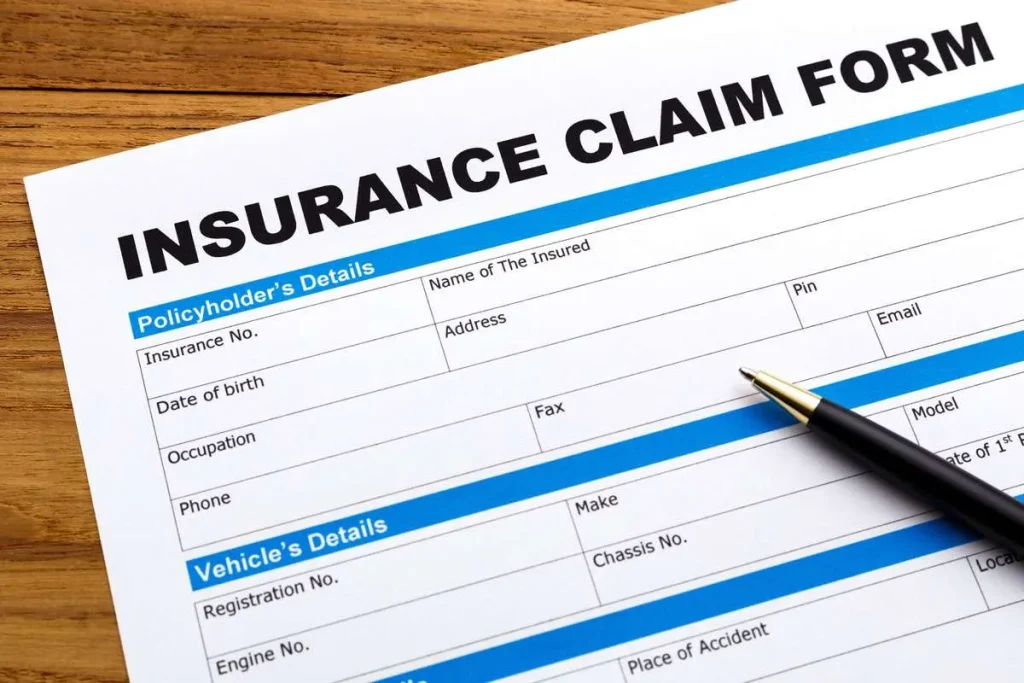
How Insurance Claims Work in the USA: A Complete Step-by-Step Guide
Navigating the insurance landscape in the United States can be complex and often overwhelming. Whether it involves an auto accident, property damage, or a medical procedure, understanding the mechanics of an insurance claim is vital for ensuring you receive the compensation or coverage you are entitled to. An insurance claim is a formal request by a policyholder to an insurance company for coverage or compensation for a covered loss or policy event.
In this guide, we will break down the entire lifecycle of an insurance claim, from the initial incident to the final settlement, helping you maximize your benefits and avoid common pitfalls.
1. The Initial Incident and Immediate Documentation
The insurance claim process begins the moment an incident occurs. Whether it is a fender bender on a busy highway or a burst pipe in your basement, the actions you take in the first few hours are critical. In the USA, the burden of proof often lies with the policyholder to show that the damage occurred and is covered under the specific terms of the policy.
Gathering Evidence
Before leaving the scene or cleaning up the mess, you must document everything. Taking high-quality photographs and videos is the most effective way to provide evidence to your insurer. For auto claims, ensure you get the contact information, insurance policy numbers, and license plate digits of all parties involved. If there are witnesses, their statements can be invaluable during the investigation phase.
2. Notifying Your Insurance Provider
Most insurance policies in the U.S. require «prompt notice» of a claim. Delaying this notification can sometimes lead to a denial of the claim if the insurer believes the delay prejudiced their ability to investigate. You can typically file a claim through a mobile app, over the phone, or via an online portal.
During this initial contact, you will be assigned a claim number. This number is your primary reference for all future communications. You will also be assigned an insurance adjuster, who will be your main point of contact throughout the evaluation process.
3. The Role of the Insurance Adjuster
The insurance adjuster is a professional who investigates the claim to determine the extent of the insurance company’s liability. They review the police reports, speak with witnesses, inspect the damage in person, and verify the details of your policy.
Adjuster Inspections
For home or auto insurance, the adjuster will often schedule a time to inspect the physical property. They are looking to see if the damage matches the description provided and if there are any signs of «pre-existing conditions» that shouldn’t be covered. It is important to be honest but concise with adjusters; recorded statements are legally binding and can be used to determine the final payout.
4. Understanding Your Policy: Deductibles and Limits
One of the most misunderstood parts of the U.S. insurance system is how deductibles and policy limits affect your out-of-pocket costs. A deductible is the amount you agree to pay before the insurance company kicks in. For example, if you have a $1,000 deductible and the repairs cost $5,000, the insurance company will only issue a check for $4,000.
Policy Limits
Every policy has a «ceiling» or a maximum amount the company will pay. If you have liability limits of $50,000 but are sued for $100,000 after an accident, you may be personally responsible for the remaining $50,000. Reviewing your Declarations Page is essential to knowing these numbers before a crisis occurs.
5. Evaluation and Damage Assessment
Once the adjuster finishes their investigation, the insurance company will calculate the replacement cost value (RCV) or the actual cash value (ACV) of the loss.
- Actual Cash Value: Pays the value of the item at the time of loss (including depreciation).
- Replacement Cost: Pays what it costs to buy a new version of the item today.
6. The Settlement Offer and Payout
After the evaluation, the insurer will provide a settlement offer. This is the amount they are willing to pay to close the claim. You do not have to accept the first offer. If you believe the repair estimates are too low, you can provide «supplemental» estimates from independent contractors or mechanics to negotiate a higher payout.
Once an agreement is reached, the insurer will issue payment. In many cases involving mortgaged homes or financed vehicles, the check may be made out to both you and your lender. This ensures that the money is actually used to repair the asset that serves as collateral for the loan.
7. Special Considerations for Health Insurance Claims
Health insurance claims in the USA operate differently. Usually, the medical provider submits the claim directly to the insurer. You will receive an Explanation of Benefits (EOB), which is not a bill, but a document explaining what was covered, what was discounted, and what you owe the provider. Medical billing errors are common, so always cross-reference your EOB with the final bill from the hospital.
8. Why Claims Get Denied
Claims can be denied for various reasons, including policy exclusions (like flood damage not being covered by standard homeowners’ insurance), failure to pay premiums, or fraudulent information. If your claim is denied, you have the right to an internal appeal. If that fails, you can contact your State Department of Insurance to file a formal complaint.
Conclusion
The U.S. insurance claim process is a structured sequence of documentation, investigation, and negotiation. By keeping meticulous records, understanding your deductible, and communicating clearly with your adjuster, you can navigate the system with confidence. Always read your policy thoroughly before you need to use it, as the fine print determines your financial protection.
Would you like me to create a checklist of documents you should prepare before filing an auto or home insurance claim?