Term Life vs. Whole Life Insurance: A Comprehensive Guide for American Families
Choosing the right life insurance policy is one of the most significant financial decisions you will make. In the United States, the debate usually boils down to two primary options: Term Life Insurance and Whole Life Insurance. Both offer a death benefit to your beneficiaries, but they function in vastly different ways regarding cost, duration, and cash value accumulation.
Understanding these differences is crucial for protecting your family’s future while staying within your monthly budget. This guide breaks down everything you need to know about these two pillars of financial planning.
What is Term Life Insurance?
Term Life Insurance is the simplest and most affordable form of life insurance. It provides coverage for a specific period, or «term,» usually ranging from 10 to 30 years. If the policyholder passes away during this period, the insurance company pays a death benefit to the named beneficiaries.
Key Characteristics of Term Life
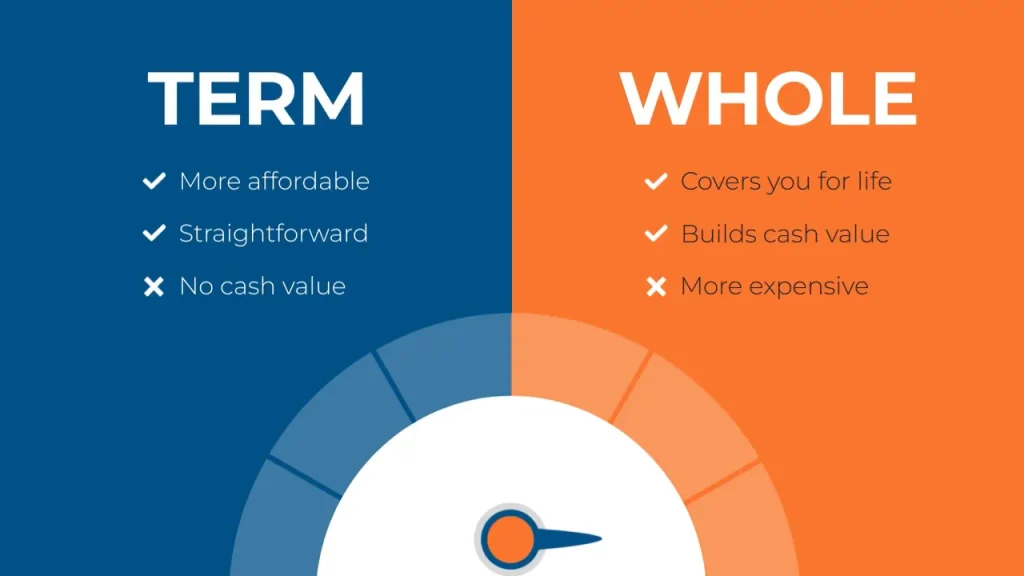
- Affordability: Since it is temporary and lacks a savings component, premiums are significantly lower than permanent policies.
- Pure Protection: It is designed to replace income during high-need years, such as when raising children or paying off a mortgage.
- No Cash Value: Unlike whole life, term insurance does not build equity. If the term ends and you are still living, the policy simply expires unless you renew it (often at a much higher rate).
What is Whole Life Insurance?
Whole Life Insurance is a type of permanent life insurance. As long as you continue to pay the premiums, the policy remains in effect for your entire life. It combines a death benefit with a savings component known as cash value.
Key Characteristics of Whole Life
- Lifetime Coverage: There is no expiration date. Your beneficiaries are guaranteed a payout regardless of when you pass away.
- Fixed Premiums: Generally, your monthly premiums stay the same for the duration of your life, protecting you from price increases as you age.
- Cash Value Accumulation: A portion of your premium goes into an account that grows over time, often at a guaranteed rate of return.
Detailed Comparison: Term vs. Whole Life
1. Monthly Premium Costs
For most Americans, price is the deciding factor. Because term life only covers a specific window of time, the risk to the insurer is lower. Therefore, term life premiums are often 5 to 10 times cheaper than whole life premiums for the same death benefit amount. This allows families to purchase higher coverage amounts (e.g., $500,000 or $1,000,000) for a relatively small monthly fee.
2. The Cash Value Component
One of the most marketed features of Whole Life Insurance is the cash value. You can think of it as a built-in savings account. Over years and decades, this value grows tax-deferred. You can eventually borrow against the cash value or even surrender the policy for its cash surrender value. Term life insurance has zero cash value; it is strictly a risk-management tool.
3. Flexibility and Duration
Term life is flexible in the sense that you can match it to your debts. For instance, if you just bought a home, a 30-year term policy ensures the mortgage is covered. Whole life is a lifelong commitment. While it offers «permanence,» it can be difficult to maintain if your financial situation changes and you can no longer afford the high premiums.
Pros and Cons at a Glance
| Feature | Term Life Insurance | Whole Life Insurance |
|---|---|---|
| Duration | Temporary (10–30 years) | Permanent (Lifetime) |
| Cost | Low/Affordable | High |
| Cash Value | None | Yes (Grows over time) |
| Complexity | Simple | Complex |
Which One is Right for You?
The answer depends on your financial goals, age, and income. Most financial experts in the U.S. suggest that Term Life is the better choice for the average family because it allows them to get maximum protection for the lowest cost, leaving more money to invest in 401(k)s or IRAs.
Choose Term Life Insurance if:
- You want the most coverage for the lowest price.
- You only need coverage until your children are grown or your mortgage is paid off.
- You prefer to invest the difference in the stock market or other retirement accounts.
Choose Whole Life Insurance if:
- You have a high net worth and are looking for estate planning tools.
- You have a lifelong dependent (such as a child with special needs).
- You want a guaranteed death benefit regardless of when you pass away and like the «forced savings» aspect of cash value.
Impact of Taxes and Beneficiaries
In the United States, life insurance death benefits are generally income tax-free for the beneficiaries. This is true for both term and whole life. However, with whole life, the growth of the cash value is tax-deferred. If you withdraw more than you paid in premiums, that portion may be subject to income tax. It is always wise to consult with a tax professional or a financial advisor before making large withdrawals from a permanent policy.
Final Thoughts
Protecting your loved ones is a cornerstone of a solid financial plan. Whether you choose the affordable simplicity of Term Life or the permanent stability of Whole Life, the most important step is having a policy in place. Don’t wait until a health issue makes you uninsurable; shop for quotes while you are young and healthy to lock in the best possible rates.
Comparison shopping is key. Every insurance provider uses different underwriting criteria, so get multiple quotes to ensure you are getting the best value for your family.